Most patients walk into a bariatric consultation with a specific target weight already in mind. However, weight loss after surgery is typically measured as a range and shown as a percentage, rather than a specific number of pounds. Someone starting at 250 pounds and someone at 400 pounds can both see great results, even though they lose different amounts. That’s why surgeons don’t use flat numbers anymore. Percentage-based goals offer a far more accurate reflection of what your body can achieve.
So, what does that percentage mean for your personal journey? Keep reading to discover what average gastric sleeve weight loss looks like month-by-month and how to set a goal that’s right for you.
How Weight Loss After a Gastric Sleeve Is Measured

Outcomes after bariatric surgery are reported three ways:
- Total body weight loss, which is the percentage of your starting weight that you lose
- Excess weight loss, which is the percentage of the extra weight you have above your ideal weight that you lose
- BMI reduction, which is the decrease in your body mass index number
Total body weight loss is the easiest to understand. If you start at 300 pounds and lose 80, that’s about 27 percent. Excess weight loss can seem bigger and sometimes confuses people.
For a 300-pound person with an ideal weight of 150, the extra weight is 150 pounds, so losing 80 pounds is about 53 percent excess weight loss. It’s the same person and the same 80 pounds, but the numbers look very different.
Always check which way is being used before making any conclusions.
The Amount of Weight Most Patients Lose After Gastric Sleeve Surgery
Most people who have sleeve surgery lose about a quarter to a third of their total body weight, which is usually more than half of the extra weight they had above a healthy range. These are general averages, not promises, and individual results can be different. Your surgeon can give you a more specific estimate after checking your starting BMI and medical history.
What the First Six Months Look Like
Weight comes off fastest at the beginning. The speed in the first weeks is faster than anything most patients have experienced from dieting, then it slows down to a steadier pace.
The first six months make up most of the total weight loss for most sleeve patients, and the change is quick enough that clothing sizes change every few weeks. Some of that early weight loss is water and muscle, not just fat, which is important to know before focusing too much on any single week on the scale.
Where Weight Loss Settles by 12 to 24 Months
The weight loss slows down during the second half of the first year. Most patients reach their lowest weight within the first two years after surgery, but where that happens depends a lot on where you started. Someone who has more weight to lose overall may require more time than someone who has less. Both timelines are normal, which is why comparing your scale to another patient’s rarely tells you much.
Why Two Patients at the Same Starting Weight Lose Different Amounts

Two people can walk into the same operating room at the same weight and be well apart two years later.
Starting BMI explains part of the difference. Age, sex, and how long someone has been obese explain more and can have a decent impact.
However, the things patients can control matter more than most think. Eating enough protein, drinking enough water, getting good sleep, doing strength exercises, and going to follow-up appointments make the difference between the best results and average ones.
Patients who stay in touch with their care team for the first two years also usually do better than those who stop after the early fast weight loss slows down.
What You Can Do to Move Toward the Higher End of the Range
Protein is the most important. Most sleeve patients aim for 60 to 80 grams a day, which needs careful planning since the stomach can only hold a small amount at once. Drinking fluids comes next, usually 64 ounces spread out throughout the day instead of drinking a lot with meals. Neither habit is hard, and both affect whether you lose fat or muscle.
Doing strength exercises two or three times a week protects the muscle that keeps your metabolism working, which is most important during the months when weight loss slows down and the scale doesn’t show progress. Patients who start strength training early usually keep their weight off better in years three and four.
Set a Realistic Number With Your Surgical Team
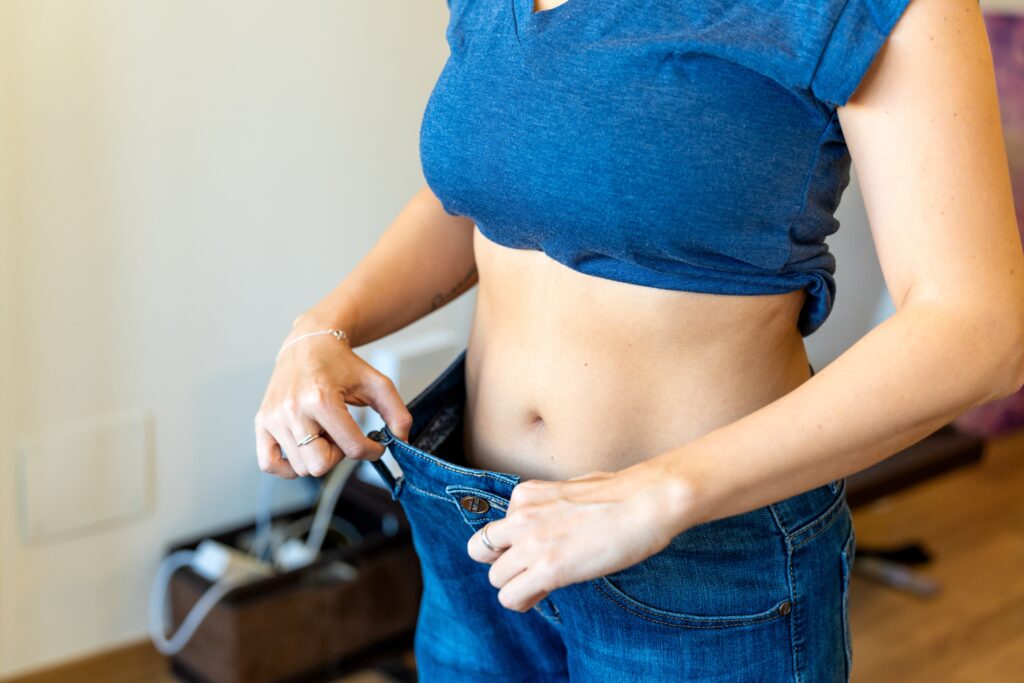
The specialized weight loss team at Dignity Health Medical Group creates a projected weight loss range for each patient based on starting BMI, medical history, and lab tests instead of giving one exact number, and they review it at every follow-up visit. The practice’s certified surgeons have set the standard for sleeve surgery results in the Phoenix area by following patients well beyond two years instead of stopping when weight loss slows.
Candidacy is the starting point for that conversation. You may qualify with a BMI of 40 or higher and no other obesity-related conditions, or with a BMI between 35 and 40 plus a condition such as high blood pressure, diabetes, or high cholesterol.
Ready to find out how much weight you could expect to lose after gastric sleeve surgery? Schedule an appointment at Dignity Health Medical Group in Phoenix, AZ.