
When a surgeon tells you that your procedure can be done robotically, you might picture an image of a machine working on you while the surgeon watches from across the room. However, the reality is far more reassuring.
A da Vinci robotic system never operates on its own. It is a tool that a surgeon controls completely, designed to make precise movements even more precise. Behind that one word sits a system built to do a specific job, which is to let an experienced surgeon work with more control in spaces where control is hardest to come by.
What Does da Vinci Robotic Surgery Actually Do?
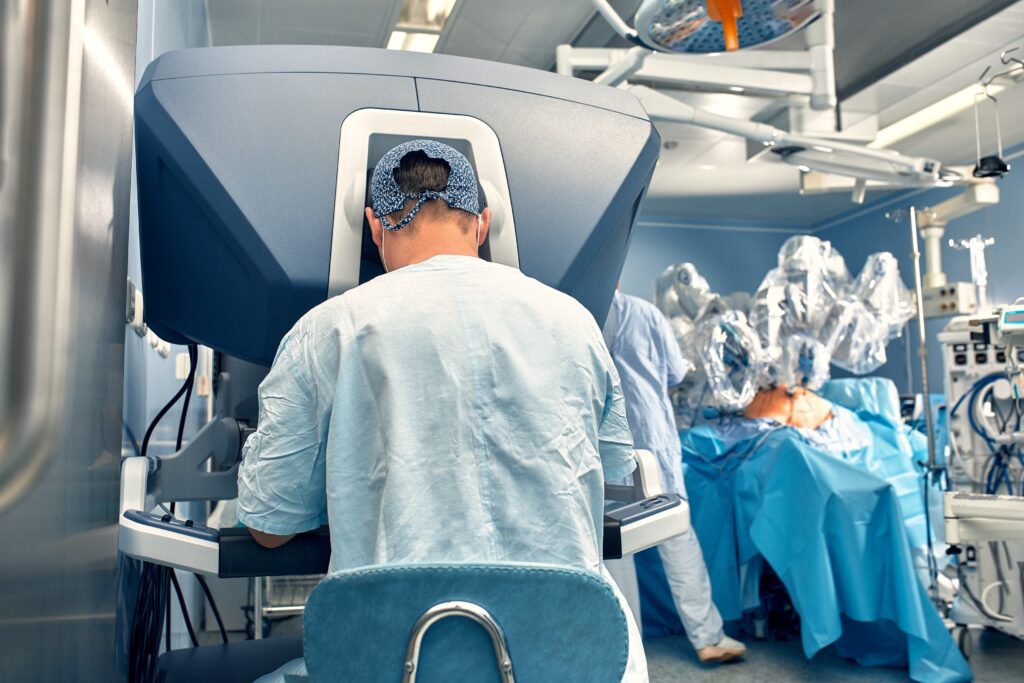
The da Vinci system is best described as an extension of the surgeon’s hands rather than a replacement for them. It has three main parts that work together:
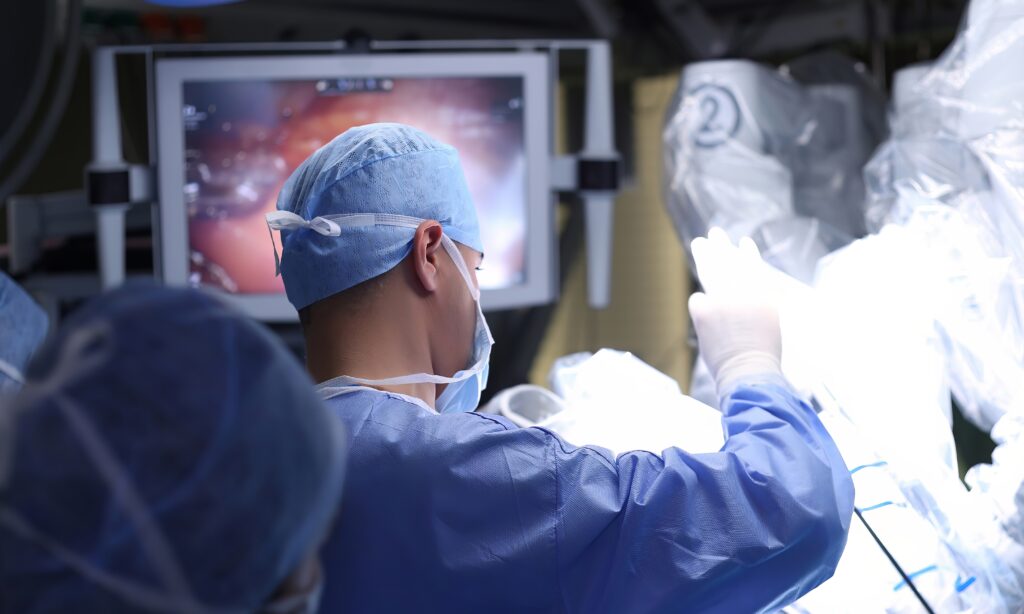
- A console where the surgeon sits and operates
- A patient-side cart with the robotic arms that hold the instruments
- A vision cart that processes the camera feed
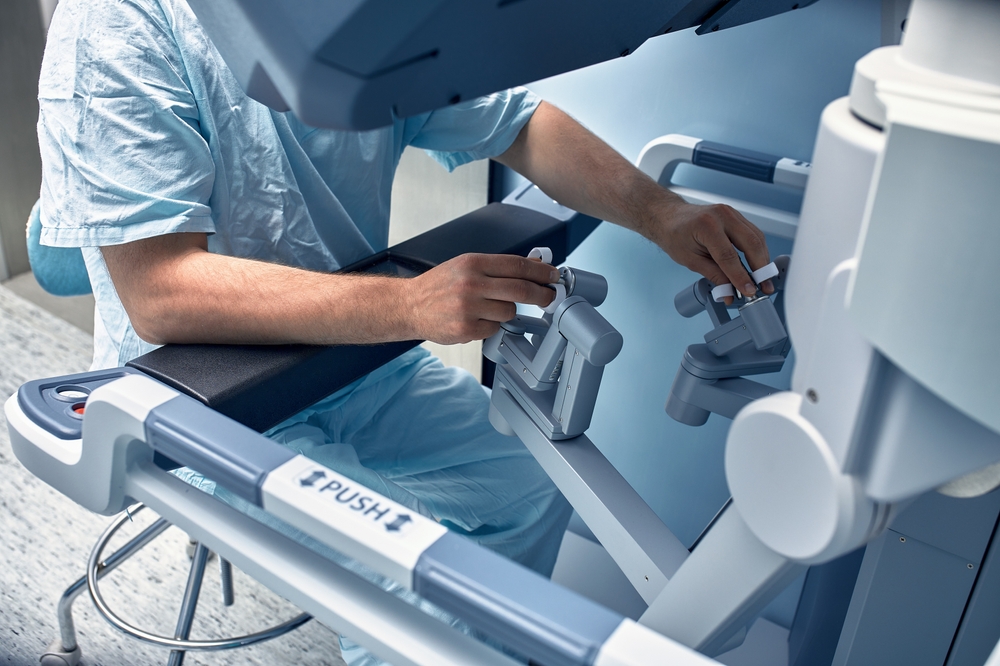
Throughout the procedure, the surgeon sits at the console and directs every motion. Each movement of the surgeon’s hands is translated in real time into corresponding movements of the instruments inside the body. Nothing is automated, and the system cannot make a single decision on its own.
When the surgeons at Agave Surgical use da Vinci robotic surgery, they are doing the same operation they would otherwise perform, with a layer of technology between their hands and the instruments that sharpens what those instruments can do. Dr. Shawn Stevenson is one of the surgeons who routinely puts this technology to work for patients across the Phoenix area.
What Makes da Vinci Robotic Surgery So Precise?
The advantage of the system comes down to two things a surgeon gains the moment they sit at the console, which are a far better view of the surgical field and instruments that move in ways the human wrist cannot match inside a small space.
A Magnified, Three-Dimensional View
Traditional laparoscopic surgery gives the surgeon a two-dimensional image on a monitor, which flattens depth and makes delicate work in tight areas harder. The da Vinci system replaces that with a magnified, high-definition, three-dimensional view of the area being operated on. Depth perception returns, and small structures that would be difficult to distinguish on a flat screen become clear.
Instruments That Move Like a Wrist
The second source of precision is the instruments themselves.
Standard laparoscopic tools are long and rigid, which limits the angles a surgeon can reach. The instruments on the da Vinci system are wristed, meaning they bend and rotate with a range of motion that meets and in some respects exceeds what the human hand can do.
The system also steadies the surgeon’s input, filtering out the small natural tremor present in any hand. Inside a confined surgical space, that combination matters. A surgeon can suture, dissect, and repair at angles that would be awkward or impossible with rigid tools, and can do it with a steadier hand than open or conventional laparoscopic technique allows.
This is the part of robotic surgery that most directly earns the word precision, and it is why the technology has become common for complex repairs in narrow anatomy.
The Conditions Treated With da Vinci at Agave Surgical
Robotic assistance suits a wide range of procedures across the digestive tract and abdomen, which is why the practice applies it to much of its general and bariatric work. The surgeons use the da Vinci approach for conditions including:
- Hernia repair, gallbladder removal, and acid reflux surgery
- Pancreatic disease, colon conditions, and breast cancer surgery
- Robotic bariatric procedures such as gastric bypass
For hernia repair, the robotic approach lets the surgeon work with a steadier hand and a clearer view of the weakened area of the muscle wall. Patients who need surgery to treat chronic acid reflux benefit from the same precise visualization when the surgeon works near the junction of the esophagus and stomach. The team also performs gallbladder surgery and offers robotic bariatric surgery for qualifying weight loss patients, applying the same technology to operations on the stomach and intestines.
What Precision Means for Your Recovery
Better visualization and finer instrument control translate into a real difference in how the surgery affects the body. Because the da Vinci system works through a few small incisions rather than one large opening, there is generally less disruption to the surrounding muscle and tissue.
For many patients, that means less pain afterward, less scarring, and a recovery that tends to be shorter than open surgery would require. Robotic and laparoscopic surgery share these minimally invasive advantages, and the differences between laparoscopic and robotic hernia repair come down mostly to the added steadiness and three-dimensional view the robot gives the surgeon.
None of this is a guarantee, since recovery depends on the patient, the condition, and the specific procedure, but the smaller incisions and gentler handling of tissue are a consistent reason robotic surgery appeals to patients who want to return to normal activity sooner.
How the Team Decides Whether Robotic Surgery Fits
Robotic surgery is not automatically the right choice for every patient or every condition, and a responsible surgical practice treats it as one option among several rather than a default.
The board-certified general and bariatric surgeons at Agave Surgical weigh the type and complexity of the condition, the patient’s overall health, and prior surgical history before recommending an approach. In some situations, a conventional laparoscopic or open procedure is the better fit, and the surgeon will say so.
Ready to find out whether da Vinci robotic surgery might be right for your condition? Schedule an appointment at Agave Surgical, a Dignity Health Medical Group practice, in Phoenix, AZ.